Walking Hidden Paths in Ancient Towns Through Time
Ancient towns often feel most alive in the early morning. Soft light slips between stone walls. The air carries a quiet promise. Somewhere nearby, a leaf moves as if guided by memory. In moments like this, walking becomes more than travel. It becomes a way to listen.
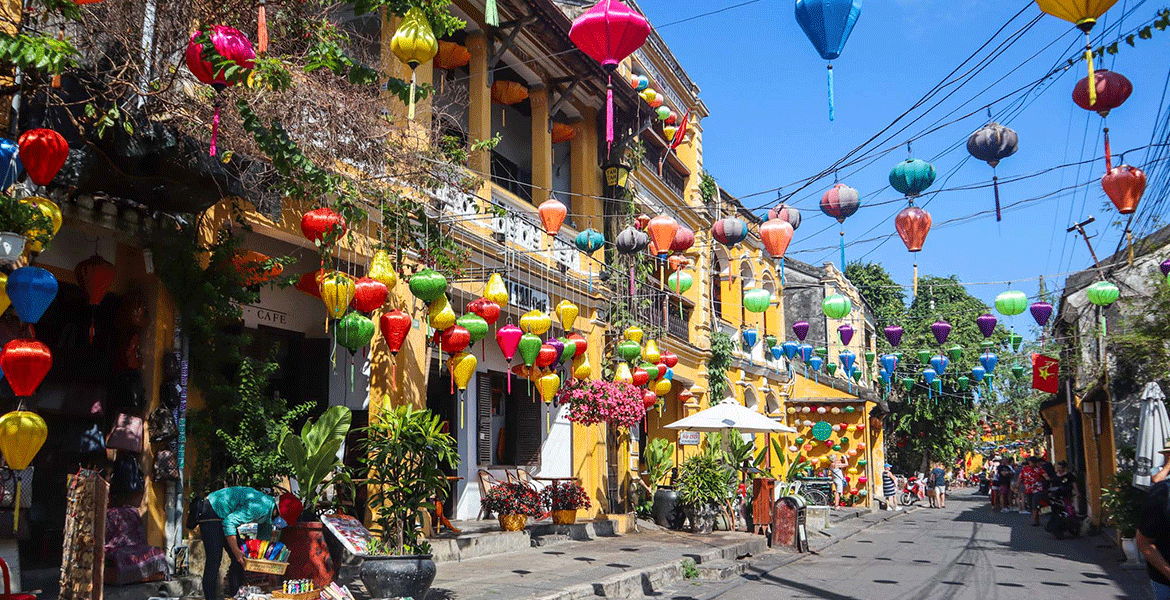
A Quiet Doorway Into History
In places like Hoi An in Vietnam, narrow streets glow gently as lanterns fade with daylight. The soil beneath your feet remembers traders, travelers, and daily rituals. One small detail draws attention. A wooden door smoothed by centuries of touch. That doorway feels like a hidden path, inviting you to slow down.
Unlike modern cities, ancient towns rarely rush. They reveal themselves slowly. When you observe carefully, history feels less distant and more personal.
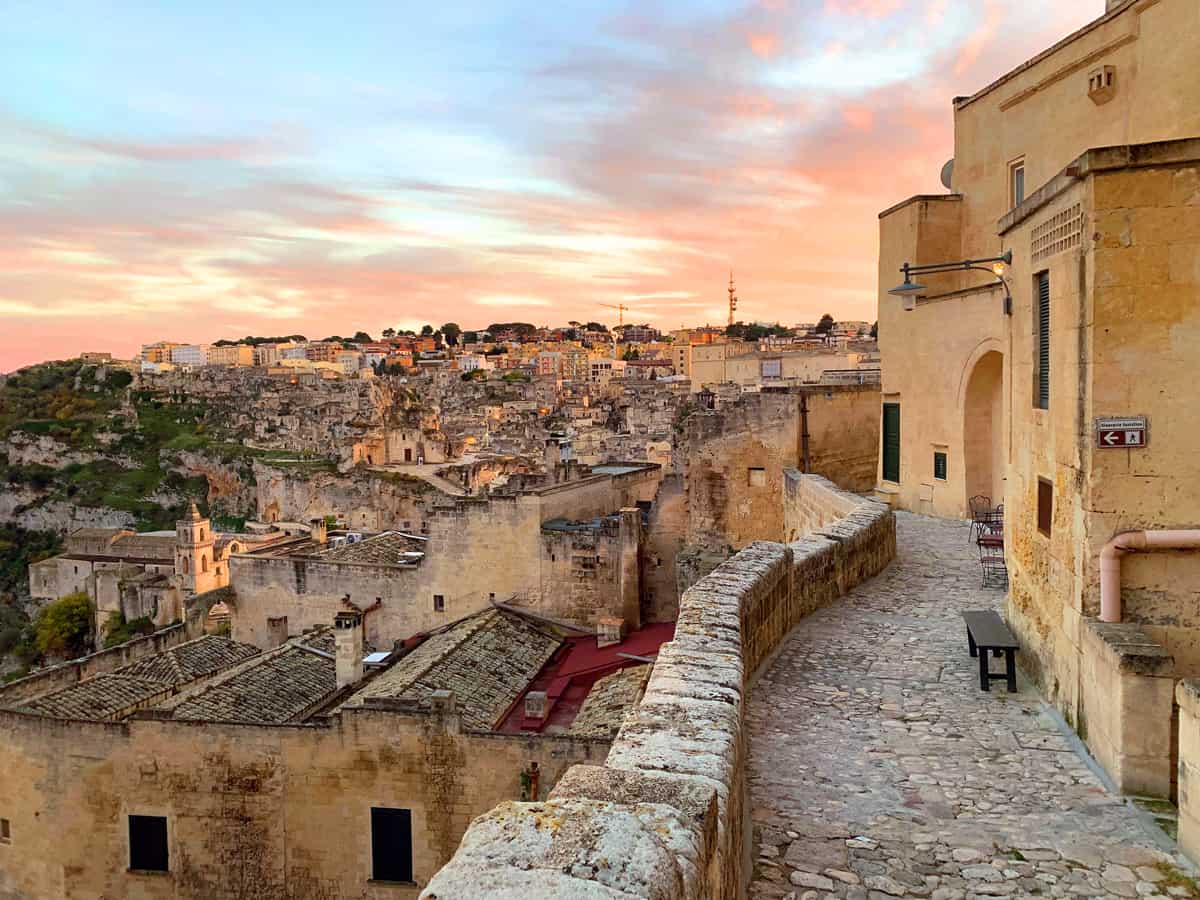
Ancient Towns Shaped by Time and Nature
In Matera, Italy, homes carved into stone rise directly from the earth. Here, architecture feels like part of the soil. As you wander through cave dwellings, silence surrounds you. Sound softens. Light behaves differently. This town teaches a quiet lesson about harmony with nature.

Meanwhile, Rothenburg ob der Tauber in Germany offers cobblestone streets that curve gently like a wandering thought. Flowers bloom from window boxes. Walls still stand, not as monuments, but as companions to daily life. Walking here feels like stepping into a story that never closed its pages.
Across cultures, ancient towns share one truth. They grow with patience. They follow the land instead of forcing it. Because of this, every turn feels intentional.

Hidden Paths That Carry Living Stories
In Gion, Kyoto, the hidden path often appears as a narrow lane lined with wooden houses. The quiet feels sacred. Footsteps slow naturally. You begin to notice rhythm. Bamboo fences whisper when wind passes. Even movement feels respectful.

Far away in Essaouira, Morocco, white walls meet the ocean breeze. The scent of salt blends with history. Blue doors open into shaded courtyards. Here, ancient towns speak through contrast. Bright light and deep shadow. Stillness and motion. Each step teaches balance.
Midway through these walks, ancient towns begin to teach without effort. They show how culture survives through everyday habits. They show how beauty lives in use, not perfection.
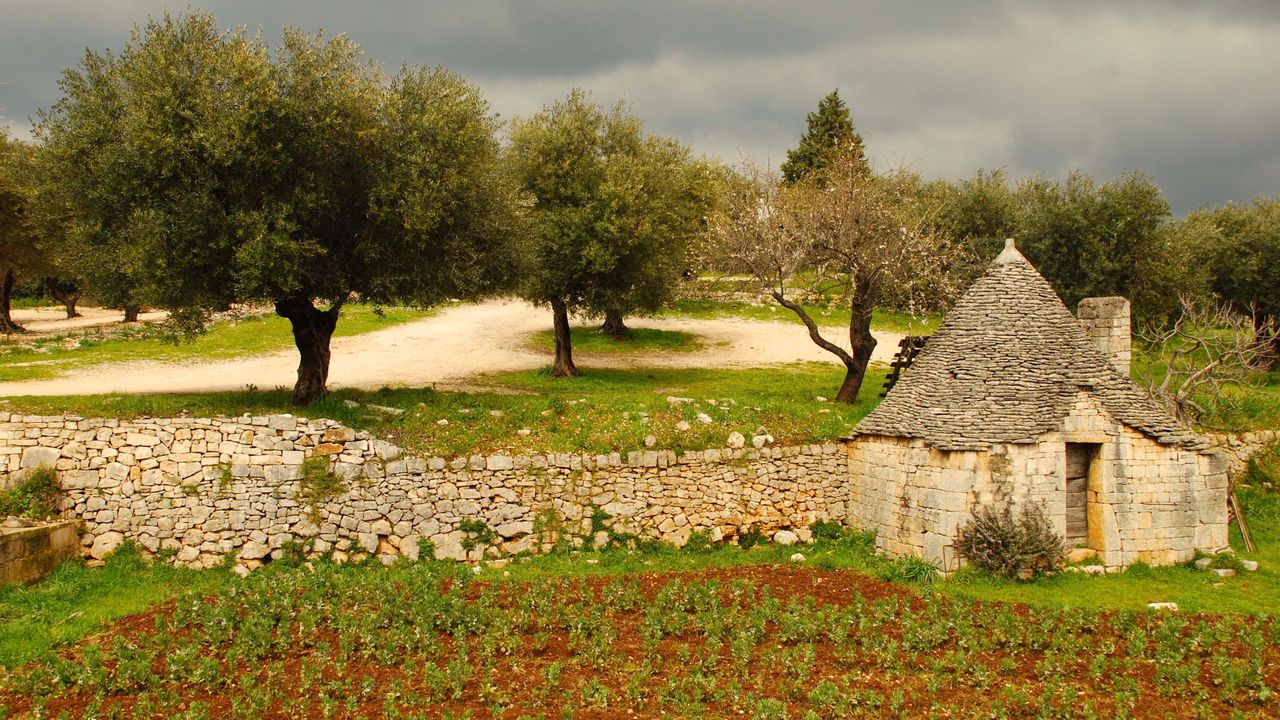
A Personal Moment Along the Way
I once walked through Alberobello in southern Italy, where small stone houses called trulli stand quietly together. As evening approached, lights warmed the streets. I felt no urgency to leave. Instead, I lingered.
That moment taught me something simple. When we walk slowly, places open up. We notice soil patterns. We hear whispers of past lives. We feel connected rather than entertained.
Returning With Gentle Awareness
As the journey ends, the hidden path fades behind you. Yet ancient towns stay present in memory. They remind us that time does not disappear. It layers itself gently, like leaves returning to soil.
In my view, walking through ancient towns changes how we understand travel. It encourages us to move with care and intention. Near the end of each journey, ancient towns stop feeling old. Instead, they feel quietly alive, still teaching those who choose to wander slowly.


Post Comment