How Nature Inspires Creativity and Fuels Better Creative Work
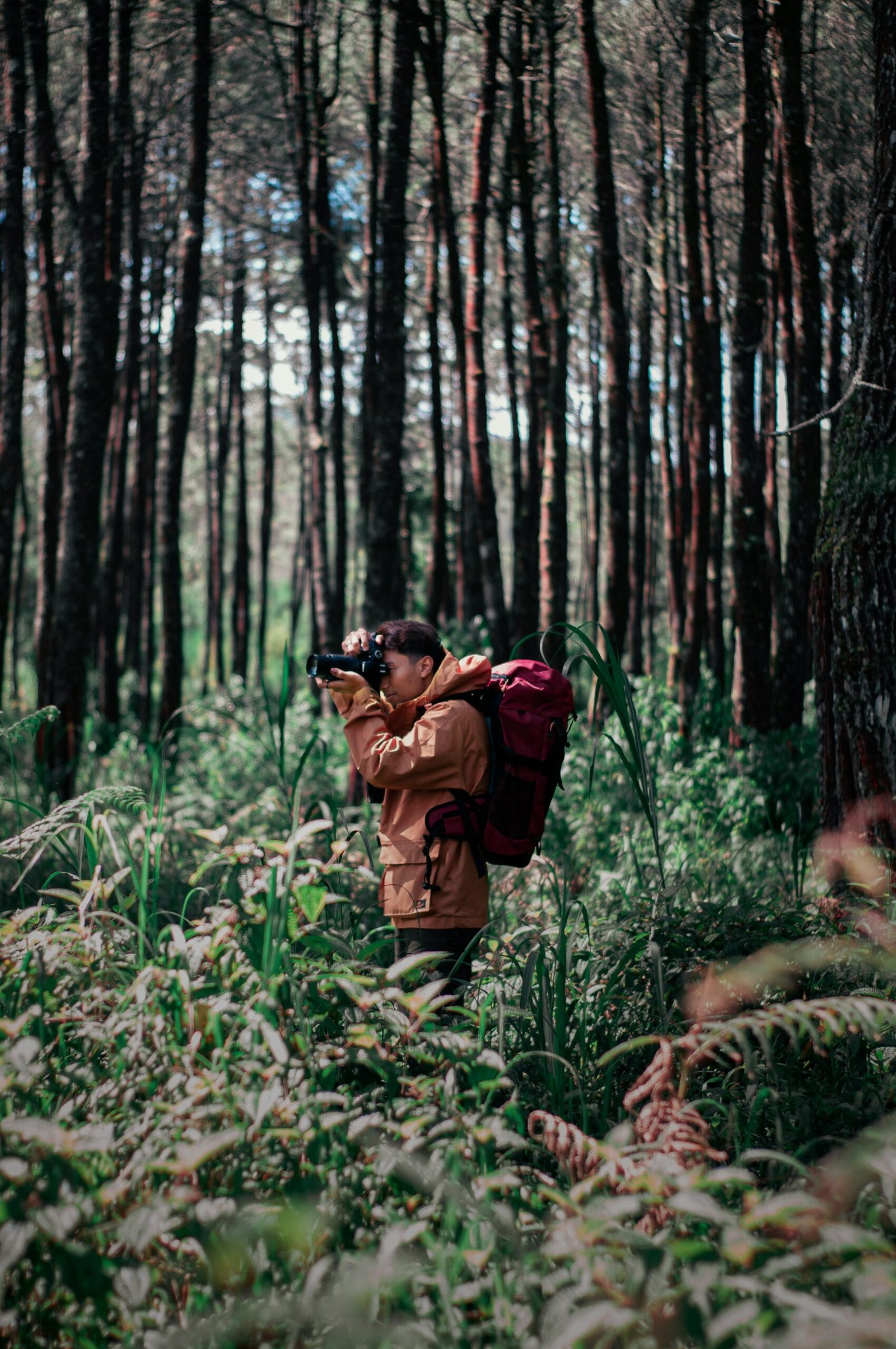
Creativity often begins quietly. On a soft morning, light slips through a window and rests on the floor. A leaf moves outside, almost unnoticed. In that gentle moment, creativity wakes up. It does not rush. Instead, it listens. Nature has a way of slowing us down, and because of that, our minds begin to open. When we pause and observe, ideas feel less forced and more alive.
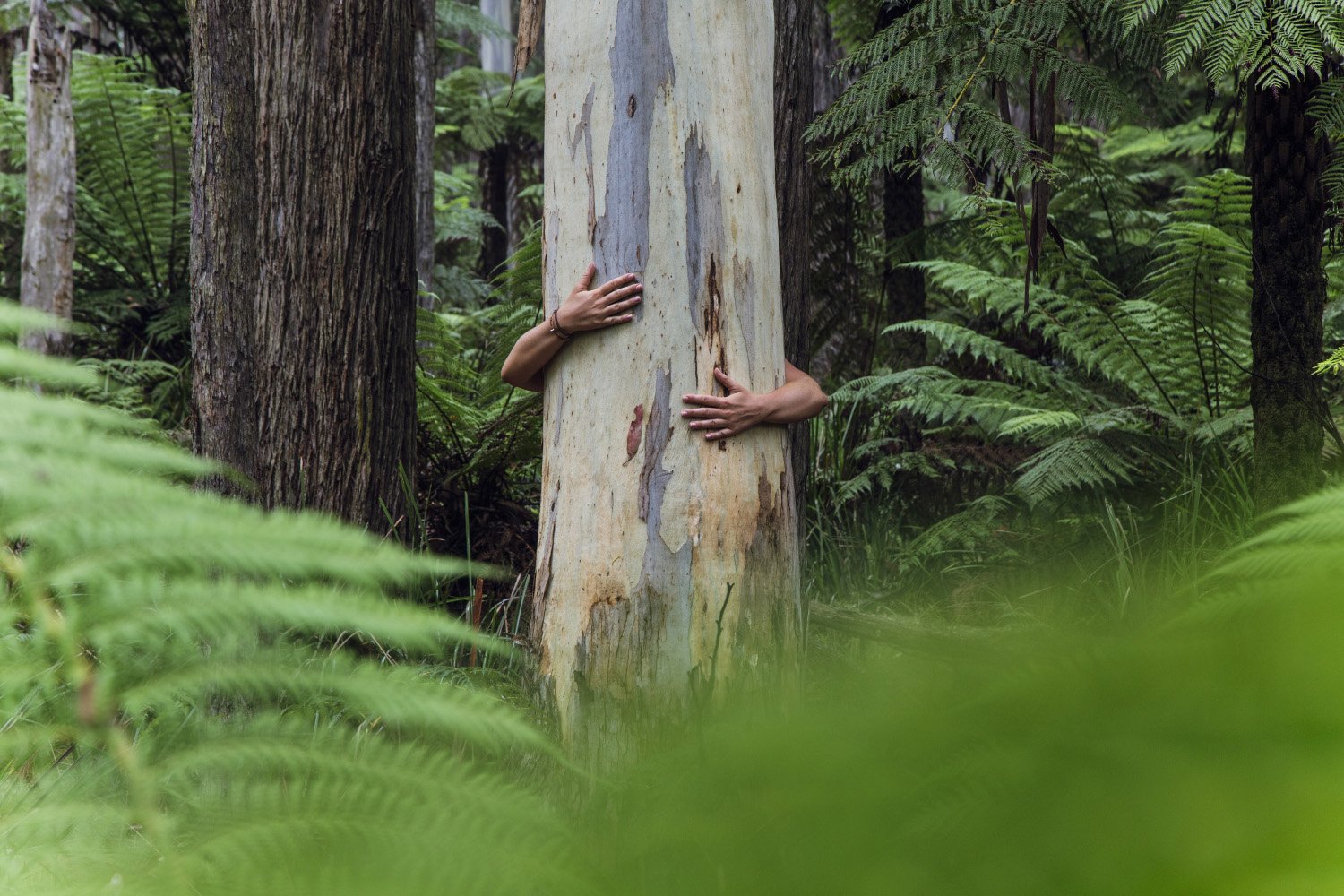
A Small Observation That Opens the Mind
Sometimes inspiration arrives through the smallest detail. Perhaps it is the sound of wind whispering through trees or the feeling of soil beneath your feet. These moments invite us to wander without pressure. As we observe nature, our thoughts loosen. Because there is no demand to perform, creativity finds room to breathe. In that quiet space, ideas start to bloom naturally.
Nature as a Source of Creative Inspiration
Nature inspires creativity by offering rhythm and balance. While screens demand attention, nature offers presence. When you walk along a hidden path or sit beneath a tree, your mind shifts. Therefore, ideas begin to flow in a softer way. Artists, writers, and designers often turn to nature because it reflects patterns that feel honest and timeless.
For example, many creative thinkers step outside when they feel stuck. They watch clouds move or notice how light changes across the day. Meanwhile, the mind mirrors that movement. Thoughts wander, connect, and settle. Creativity grows stronger because it feels supported rather than pushed.
How Nature Fuels Better Creative Work
Creative work improves when it comes from a grounded place. Nature teaches patience. A plant does not rush to bloom, yet it always arrives at the right time. Similarly, creative work benefits from trust in process. When we allow ideas to unfold slowly, the result feels more meaningful.
In addition, nature helps reduce mental noise. As you observe birds or leaves, your breathing steadies. Because of this calm, focus deepens. Creativity becomes clearer and more intentional. Many people notice that their best ideas appear after time spent outdoors. This happens because nature restores attention and emotional balance.
Creativity and the Act of Wandering
Wandering plays a quiet role in creative thinking. When you allow yourself to move without direction, curiosity leads the way. A walk through a park or a moment by the water invites reflection. Therefore, creativity becomes less about productivity and more about connection.
Even indoor moments can hold this feeling. A plant near your desk or sunlight on the wall can remind you of the natural world. As a result, creative work feels lighter. It feels human. Creativity thrives when it feels connected to something larger than deadlines and screens.
Personal Reflection on Nature and Creativity
I often notice that my clearest ideas come after moments of stillness. When I step outside or simply pause to observe a quiet scene, my thoughts soften. Creativity feels less like a task and more like a conversation. Nature does not ask for perfection. Instead, it invites honesty. That invitation has shaped how I approach creative work with more patience and trust.
Conclusion
Creativity does not always need more effort. Sometimes it needs less noise. Nature reminds us to slow down, observe, and listen. Through soft moments and gentle rhythms, creativity finds its way back to us. Near the end of each creative cycle, returning to nature feels like returning home. In my experience, creativity grows best when it blooms quietly, guided by presence rather than pressure.


Post Comment