Lost Traditions: Soft Wisdom for a Fast-Moving World
On a quiet morning, when the light rests gently on the windowsill and the air feels soft like fresh soil, it becomes easier to notice how the world once moved at a slower rhythm. A single leaf drifting outside can remind us of the stories that used to wander through villages, carried by voices instead of screens. This small moment opens a hidden path toward understanding lost traditions and what they still offer us today.
Sometimes, the lessons we need most do not come from new ideas. They come from old rituals we no longer hold.
Harvest Celebrations and the Wisdom of Gratitude
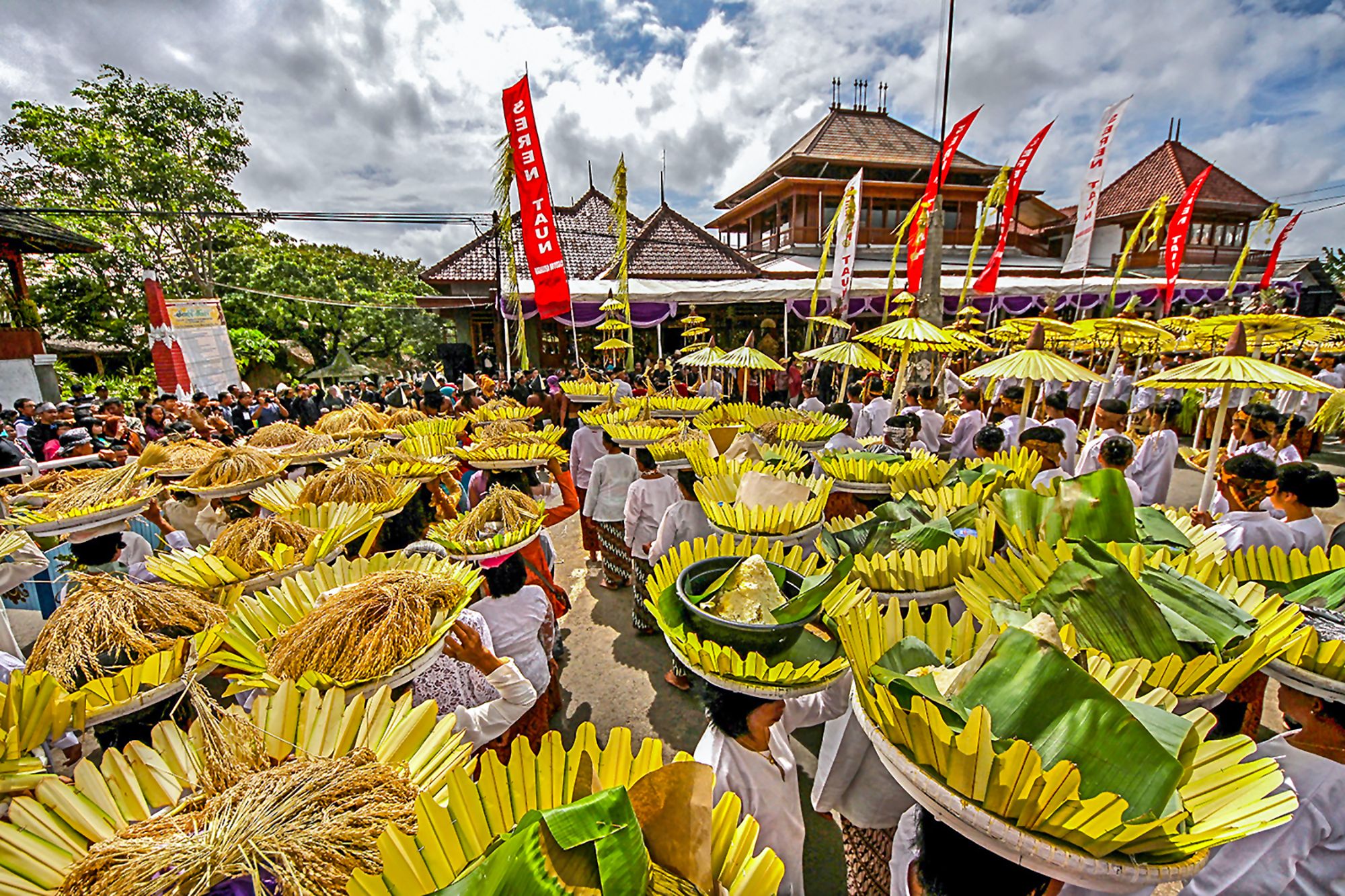
In many places, harvest rituals once bloomed with music and shared joy. Traditions such as Seren Taun in Sunda or Sedekah Bumi in Java were held to honor the land that fed the community. People carried rice, fruit, and vegetables to the gathering place. They walked in soft parades, whispered prayers of thanks, and shared meals beneath open skies.
However, these moments have slowly faded. Modern farming machines replaced communal effort, young people moved to the cities, and the rituals were seen as something old, something no longer necessary. As a result, one of the most important lost traditions drifted away.
Yet the wisdom remains clear. These celebrations taught us to observe the journey of food from soil to plate, to understand that nourishment begins with rain, sun, and the hands of many. They taught us to honor effort, patience, and the quiet strength of working together. In a world that moves fast, this soft wisdom becomes even more precious.
Gathering Without Gadgets and the Art of True Presence
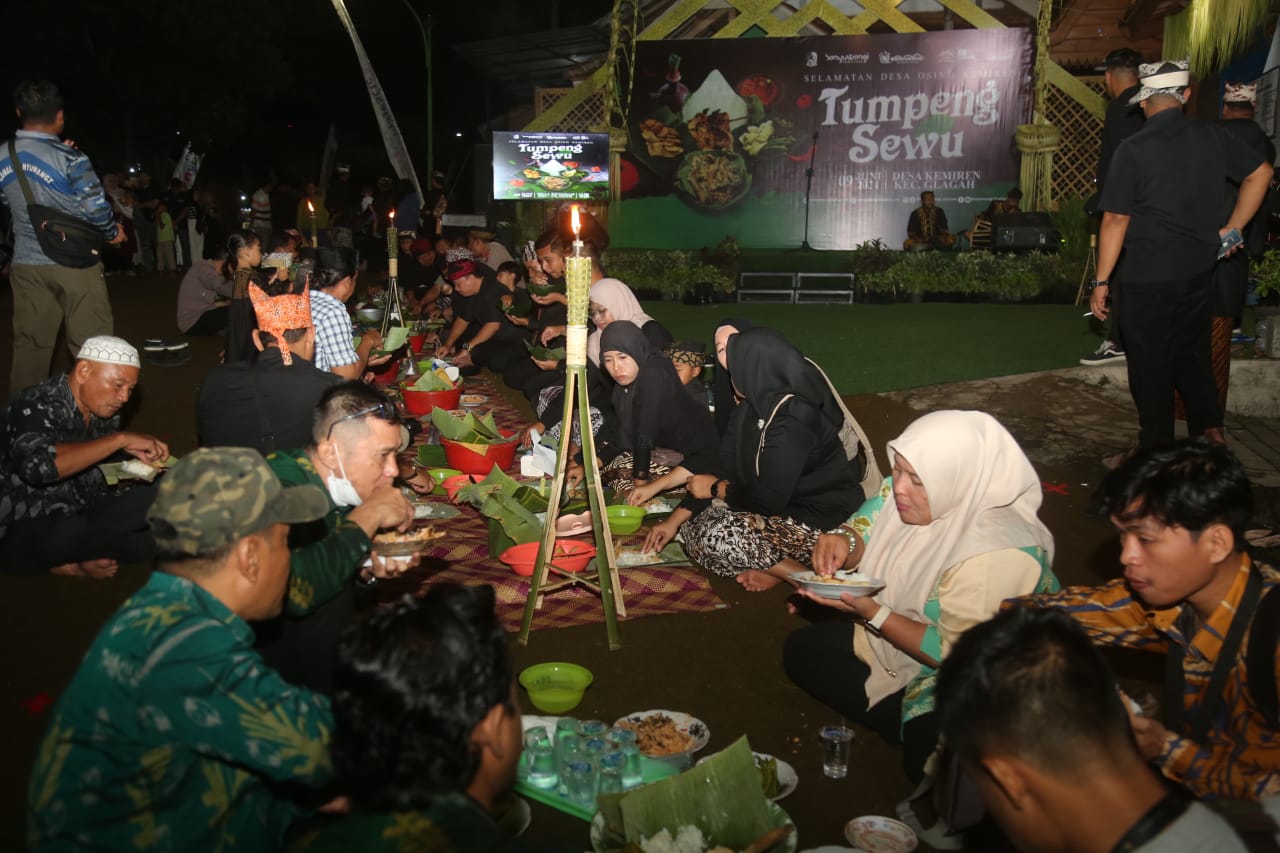
There was a time when families gathered with nothing but food, stories, and warm laughter. In Jawa, evenings like Malam Tumpengan or Kumpul Selapanan created a gentle circle where people talked without checking a screen. Children listened to tales from grandparents while neighbors shared simple meals from the same plate.
Today, these gatherings are disappearing. People are busier, meetings shift to chats and calls, and gadgets pull attention away from the moment. Many no longer feel the warmth of being fully present.
Still, the lesson from these lost traditions is simple and tender. Humans need unhurried connection. A soft conversation, a shared meal, or a room filled with honest presence can make the heart feel grounded. These old ways remind us that relationships grow not through speed, but through attention.
Cleansing Rituals and the Need to Reset
Rituals like Ruwatan in Java or Mepegat in Bali once offered a way to release heavy emotions and begin again. People cleaned their homes, removed old belongings, swept the floors, and used water, flowers, or light smoke to cleanse their space. Prayers filled the air like a whisper of renewal.
Many no longer practice these traditions because they seem mystical or outdated. Life moves too quickly to pause for emotional clearing. But even in a fast-moving world, the heart still needs space to breathe.
Modern versions of these rituals appear as decluttering, journaling, or doing a quiet digital reset. They remind us that letting go creates room for new beginnings. The wisdom behind these lost traditions is not strange. It is simply human.
Coming-of-Age Rituals and the Meaning of Growing Up
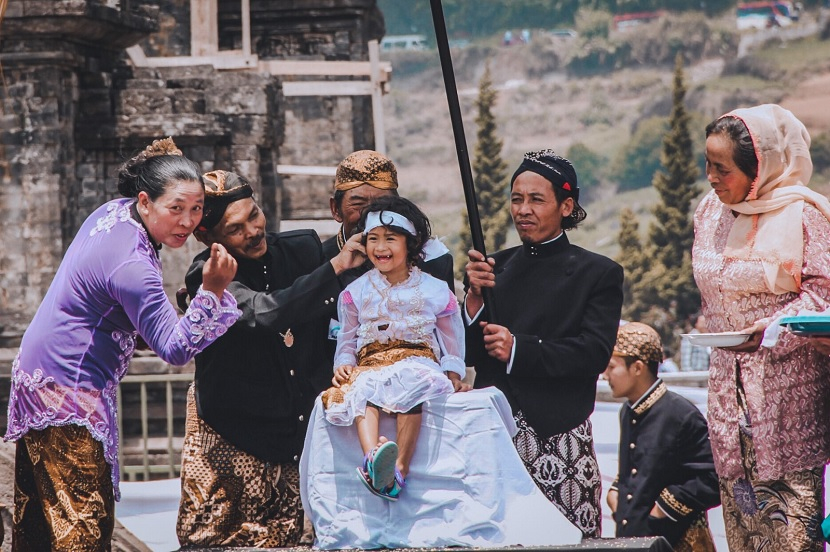
Across Indonesia, rituals like Mapedes in Bali, Tetesan in Java, or Sunatan carry deep meaning. They mark the shift from childhood to adulthood with flowers, prayers, traditional clothing, and blessings from elders. These ceremonies taught responsibility, identity, and purpose.
Yet global trends replaced these traditions with hotel parties or simple birthdays. Many forget that growing up is more than blowing candles.
The wisdom of these lost traditions is quiet but powerful. They teach us to honor growth, to recognize transitions, and to move forward with intention.
Conclusion
As I reflect on these lost traditions, I feel that their soft wisdom is exactly what our fast-moving world needs. They remind us to slow down, to honor each moment, and to stay connected to the earth and to one another. Even if the rituals fade, the lessons do not disappear. They wait gently, like a whisper on a hidden path, ready for us to return.


Post Comment